


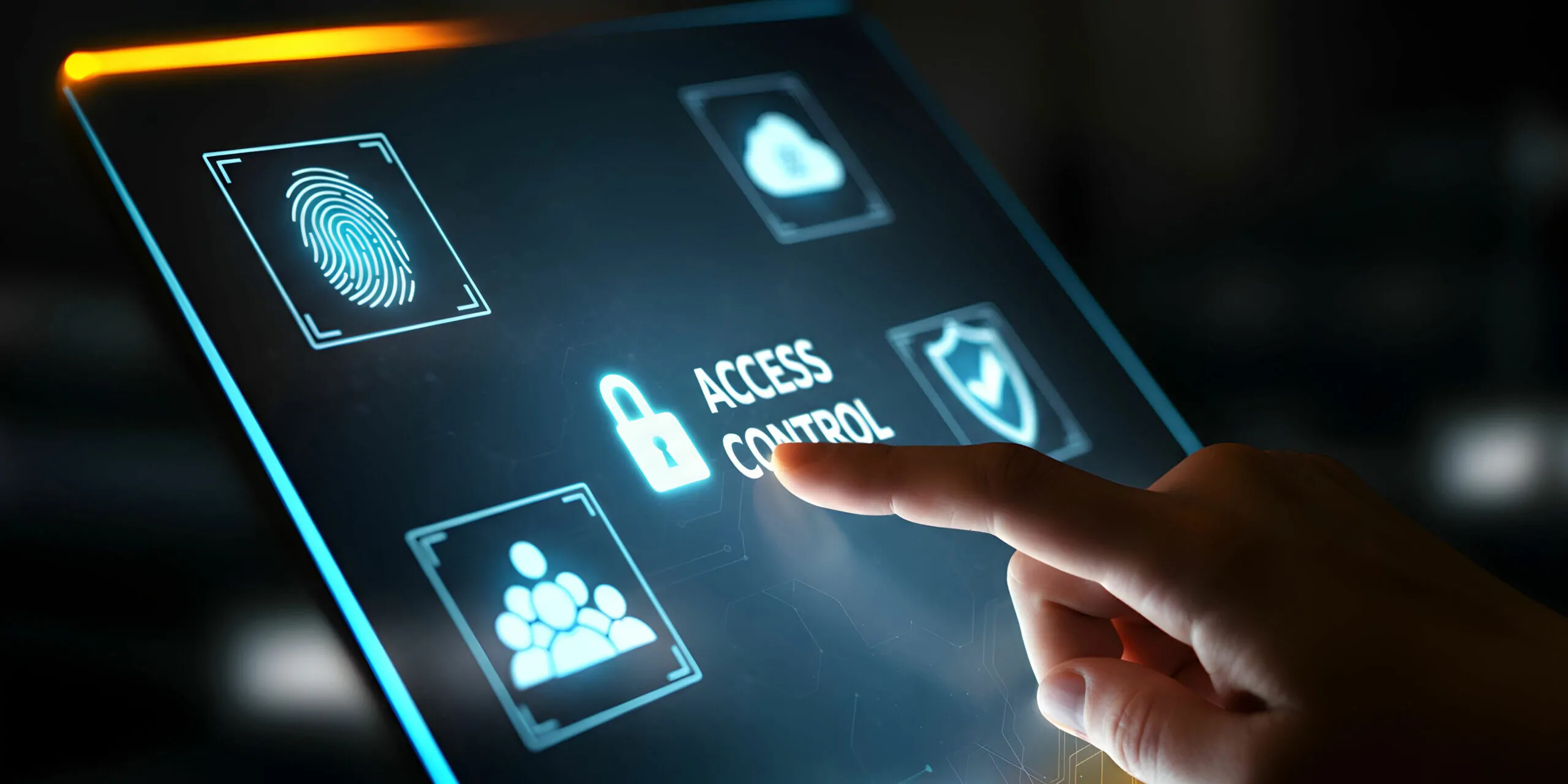
What Are the Features of a Good Access Control System
In today’s world, security is more than just a locked door—it’s about managing who has access, when, and where. Whether you operate an office, warehouse, or residential complex, controlling entry is critical to safeguarding people, assets, and information. That’s where a good access control system comes in.
Good access control systems give more than basic entry permissions. You gain convenience, flexibility, and protection through smart features and a secure design. Learn what makes an access control system effective and how professional installation helps you use your system fully.
1. Secure Authentication Methods
At the heart of any access control system is authentication—the process of verifying identity before granting entry. A good system offers multiple authentication methods to meet different security needs.
Key Options Include:
- Key Cards: Simple and cost-effective for businesses with many users.
- PIN Codes: Great for small teams, but should be combined with other methods for higher security.
- Biometric Scanners: Use fingerprints, facial recognition, or iris scans for maximum accuracy.
- Mobile Credentials: Allow employees to unlock doors with smartphones or smartwatches.
The best systems support multi-factor authentication (MFA), combining two or more methods to reduce the risk of unauthorized access.
2. Centralized Management and Monitoring
A reliable access control system provides centralized management, allowing administrators to monitor and control all access points from a single dashboard.
With cloud-based systems, you can:
- View real-time entry logs for every door and user.
- Add or remove users instantly when staff changes occur.
- Set access schedules for specific days, hours, or zones.
- Receive alerts when unusual activity is detected.
Centralized systems improve operational efficiency and give managers complete visibility—critical for maintaining security in multi-site facilities.
3. Integration with Other Security Systems
Modern facilities need integrated solutions, not isolated systems. A good access control system seamlessly connects with other technologies, such as:
- CCTV cameras for video verification.
- Alarm systems that trigger automatically on unauthorized entry.
- Visitor management software for tracking guests.
Integration enables better coordination between physical and digital security measures, providing a holistic, layered defense strategy.
4. Flexible Access Levels and Permissions
Not everyone needs access to every area. A good access control system allows administrators to customize access levels based on roles or departments.
For example:
- Employees may access only office areas.
- Maintenance teams may enter technical rooms.
- Managers or executives may have unrestricted access.
This flexibility minimizes security risks by ensuring that only authorized individuals can enter sensitive zones. The ability to set temporary or one-time access codes for visitors or contractors is another valuable feature for operational safety.
5. Scalable Architecture
A good access control system grows with your business. Whether you manage a small office or a nationwide network of buildings, scalability ensures that your security infrastructure evolves without the need for a complete overhaul.
Scalable Features Include:
- The ability to add new doors or zones without replacing existing hardware.
- Support for cloud-based expansion and remote access control.
- Compatibility with new security technologies and devices.
Investing in a scalable system protects your long-term budget and guarantees adaptability to future needs.
6. Real-Time Alerts and Reporting
Timely information is vital in security management. A high-quality access control system provides real-time notifications when specific events occur—such as forced entries, door tampering, or failed login attempts.
Comprehensive reporting tools also allow you to:
- Track user activity and access history.
- Generate automated compliance reports.
- Identify potential weak points in your security network.
Real-time monitoring not only improves response times but also helps deter unauthorized access attempts before they escalate.
7. User-Friendly Interface and Remote Access
Complex systems often lead to user errors, which can compromise security. A user-friendly interface ensures administrators can easily manage credentials, monitor activity, and adjust permissions without technical difficulties.
Cloud-based access control also allows remote management from any device—ideal for security teams that oversee multiple properties. It means you can unlock or lock doors, disable user credentials, and review system alerts even when off-site.
8. Backup Power and Fail-Safe Features
A well-designed access control system includes fail-safe mechanisms to maintain operation during power outages or network failures.
Key Backup Features:
- Battery backups or UPS systems that keep locks functioning during power loss.
- Fail-secure locks that remain locked when the system is down (for high-security areas).
- Data redundancy through local and cloud backups to preserve logs and configurations.
These safeguards ensure security continuity, even during emergencies.
9. Compliance and Data Security
Modern organizations face growing data protection concerns. A reliable access control system follows relevant data privacy laws and security standards.
Systems should use encrypted communication and secure credential storage to prevent data breaches and identity theft. Compliance not only enhances safety but also demonstrates corporate responsibility.
10. Professional Installation and Maintenance
Even the best system won’t perform properly if poorly installed. That’s why working with professional sealing and security service providers is essential. Experts ensure every door, reader, and connection stays configured correctly and seals stay tight to protect against tampering, weather, and wear.
Professional technicians also provide:
- System audits to verify security integrity.
- Regular maintenance and firmware updates.
- Performance optimization to extend equipment lifespan.
With expert installation and upkeep, your system remains secure, efficient, and compliant with safety standards for years to come.
Key Benefits of a Good Access Control System
When these features come together, they create a secure, efficient, and adaptable solution.
A good access control system provides:
- Enhanced protection for people and property.
- Streamlined management of multiple access points.
- Reduced risk of unauthorized entry or theft.
- Lower maintenance costs.
- Greater confidence for employees, tenants, and clients.
Combining modern technology with professional installation ensures that your building’s security infrastructure performs at its best—today and in the future.
Conclusion
A good access control system delivers more than an electronic lock. It serves as a smart security solution built for control, safety, and peace of mind. From biometric authentication to cloud integration, features provide flexibility, scalability, and real-time visibility.
Partnering with professionals ensures not only expert installation but also long-term reliability and support. Whether for commercial, industrial, or residential spaces, investing in a high-quality access control system is one of the best ways to protect your property, assets, and people.
Upgrade your property’s security with OneAZ Alarm’s professional access control solutions. Our experts design, install, and maintain smart systems that give you complete control over who enters—and who doesn’t.
Contact us today and discover how a good access control system strengthens your facility’s security.
📞 Call: (623) 780-5755
📧 Email: [email protected]


