


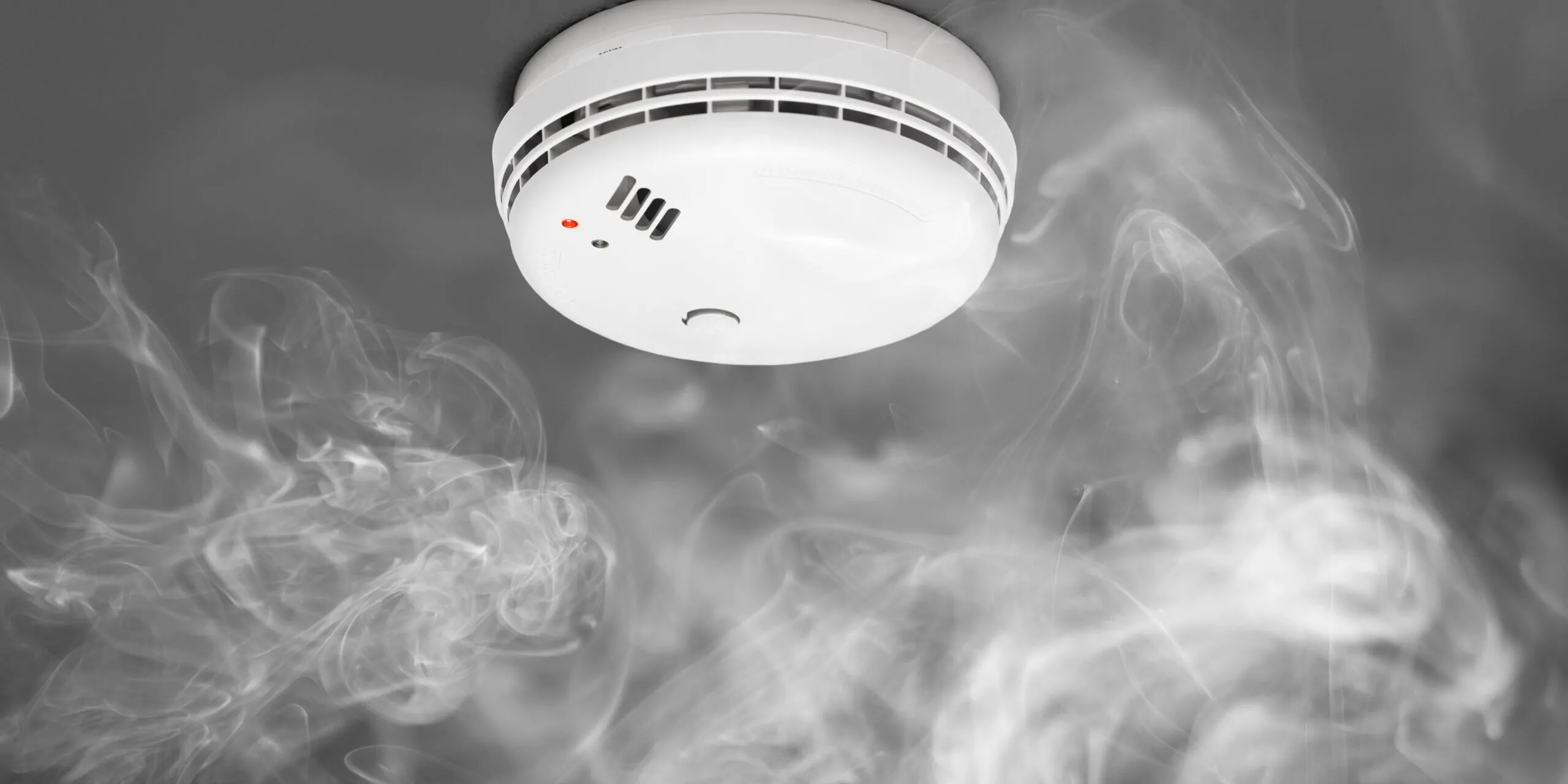
How to Test Carbon Monoxide Detectors
Carbon monoxide (CO) is an invisible, odorless gas that can accumulate in your home without warning signs. It is often referred to as the “silent killer” because it can be fatal without ever being seen or smelled. CO is produced by burning fuels like gas, wood, or oil; poor ventilation can cause it to reach dangerous levels indoors.
One of the most effective ways to protect yourself and your family from carbon monoxide poisoning is to install a reliable Carbon Monoxide detectors. These devices are designed to alarm when CO levels become unsafe, giving you time to evacuate and address the source. However, owning a detector is only the first step—regular testing and maintenance are critical to ensure it works when you need it most.
This guide will explain how to test a carbon monoxide detector properly. You’ll also learn why routine testing is essential for home safety. Plus, we’ll share tips to help you stay protected year-round.
Importance of Testing Carbon Monoxide Detectors
-
Ensures the Alarm is Functioning Properly
Regular testing confirms that the alarm will sound in case of high CO levels. A silent or non-responsive alarm puts your household at risk, but testing gives you peace of mind that the device will alert you in an emergency.
-
Verifies Battery Life and Power Supply
Testing helps you identify weak or dead batteries before they fail. This is especially important for battery-operated or backup-powered units. A quick monthly test can prevent unexpected power failures.
-
Detects Sensor Malfunctions Early
The CO sensor inside the detector can degrade over time. Testing ensures the sensor can still detect harmful gas levels, allowing you to replace a faulty unit before it becomes a hazard.
-
Helps Avoid False Alarms and Confusion
Regular testing helps you recognize the difference between real alerts and other beeping sounds (like low battery or end-of-life warnings). This reduces panic and ensures a clear response during real emergencies. It also ensures that the unit is placed correctly and does not trigger unnecessarily.
-
Supports Overall Home Safety Practices
Incorporating CO detector testing into your monthly safety routine encourages a proactive safety mindset. A small habit contributes to a safer, more prepared home. Along with smoke alarms and fire extinguishers, a working CO detector is a key part of any emergency preparedness plan.
Types of Carbon Monoxide Detectors
-
Battery-Operated Carbon Monoxide Detectors
These detectors are powered entirely by batteries, making them portable and easy to install anywhere. They’re ideal for areas without electrical outlets or during power outages. However, they require regular battery checks and replacements to remain effective.
-
Plug-In Carbon Monoxide Detectors
Plug-in units connect directly to wall outlets and often include a battery backup. They’re convenient and typically come with digital displays for CO levels. However, they should be placed in outlets away from furniture or curtains to ensure proper airflow.
-
Hardwired Carbon Monoxide Detectors
These detectors are connected to your home’s electrical system and are often integrated with your smoke alarms. They may require professional installation but provide a reliable and long-term solution. Like plug-in models, they usually have a battery backup in case of power failure.
-
Combination Smoke and Carbon Monoxide Detectors
Dual-function alarms detect smoke and carbon monoxide in one unit, saving space and reducing the number of devices you need. These are popular in modern homes and available in battery, plug-in, and hardwired versions. Always check that the device is certified for both smoke and CO detection.
-
Smart Carbon Monoxide Detectors
Smart detectors connect to Wi-Fi and send alerts directly to your smartphone. They often come with advanced features like voice alerts, self-testing, and integration with smart home systems. These are great for tech-savvy users who want real-time monitoring even when they’re away from home.
How Often Should You Test Your Carbon Monoxide Detectors
Regular carbon monoxide detector testing is essential to ensure it functions properly and keeps your household safe. Experts recommend the following testing and maintenance schedule:
-
Test Monthly
Press the test button on your CO detector monthly to ensure the alarm sounds. This verifies that the internal circuitry and alarm system are working correctly. If there’s no sound or it’s weak, replace the batteries or the entire unit.
-
Replace Batteries Every 6 Months
Even if the detector hasn’t chirped, changing the batteries twice a year is a good practice. A simple way to stay on schedule is by replacing the batteries during your seasonal home maintenance. Always use the recommended battery type stated in the user manual.
-
Clean the Unit Every Month
Dust and debris can interfere with your detector’s performance. Gently vacuum around the device or use a soft cloth to clean the vents. Avoid using cleaning sprays or solvents near the unit.
-
Replace the Detector Every 5 to 7 Years
Carbon monoxide detectors have a limited lifespan—typically 5 to 7 years, depending on the model. Check the “replace by” date printed on the unit and follow the manufacturer’s guidelines for replacement.
 Step-by-Step Guide: How to Test Carbon Monoxide Detectors
Regular testing of your carbon monoxide detector is a simple but crucial task to ensure your family’s safety. Follow these easy steps to confirm your device is in working order:
Step 1: Locate the Detector
Find where your carbon monoxide detectors are installed. One detector should be on each floor, near bedrooms and fuel-burning appliances. Ensure the area around the detector is clean and free from obstructions like furniture or curtains.
Step 2: Press and Hold the Test Button
Every CO detector comes with a test button, usually located on the front or side of the unit. Press and hold it for a few seconds. A properly functioning detector should emit a loud, repetitive beeping sound, confirming that the battery, alarm, and internal circuits are working. Check the battery or replace the unit immediately if there’s no sound or faint.
Step 3: Observe Indicator Lights
Refer to your manufacturer’s manual to interpret the signals correctly. Most modern CO detectors have indicator lights to show the following status:
Greenlight: Normal operation
Flashing red or yellow light: Warning or error
Step 4: Clean and Inspect the Unit
After testing, use a soft cloth or vacuum to clean the detector’s vents gently. Check for signs of dust buildup, damage, or discoloration. A clean detector functions more reliably and is less prone to false alarms.
Step 5: Record the Test Date
Keep a log or set a reminder for the next test. Testing once a month ensures ongoing protection and gives you peace of mind. Also, note the installation or replacement date to track the unit’s lifespan.
Another option for testing a CO detector is performing a CO Sensor Test. To test the actual CO-sensing capability, use a carbon monoxide test kit or CO test spray by doing the following steps with utmost precaution:
- Enclose the detector in a large plastic bag and the test spray can (follow instructions).
- Spray briefly to introduce test gas and wait.
- If the alarm sounds within a few minutes, the sensor is working.
Warning: Never use actual fuel or exhaust to simulate carbon monoxide—it’s dangerous and unnecessary.
Common Issues When Testing CO Detectors
Even though testing your carbon monoxide detector is quick, you might encounter some issues that affect its performance. Recognizing and addressing these problems early ensures your home remains protected. Here are the most common issues homeowners face during CO detector testing:
1. No Sound or Weak Alarm During Testing
Problem: You press the test button, but there’s no sound—or the alarm is faint and barely audible.
Possible Causes:
- Dead or weak batteries
- Faulty internal circuitry
- Expired detector
Solution: First, replace the batteries and test again. If the alarm still doesn’t sound, replace the unit immediately.
2. Frequent False Alarms
Problem: Your CO detector goes off even when there’s no carbon monoxide present.
Possible Causes:
- Placement near high-humidity areas (e.g., bathroom or kitchen)
- Exposure to chemicals or cleaning agents
- Dust buildup in or around the unit
Solution: Move the detector to a more appropriate location away from vents, steam, or fumes. Clean the unit regularly and avoid spraying cleaners near it.
3. Constant Chirping or Beeping
Problem: The detector chirps intermittently even when no test is being performed.
Possible Causes:
- Low battery warning
- End-of-life alert (typically every 30–60 seconds)
- There was a malfunction in the unit
Solution: Replace the battery if it’s low. If the chirping continues, consult the user manual to identify the beep pattern. You may need to replace the entire device.
4. Sensor Doesn’t React to Test Gas
Problem: When using CO test spray, the detector doesn’t respond.
Possible Causes:
- Faulty or expired sensor
- Improper use of the test spray
- Insufficient exposure time
Solution: Double-check the test kit instructions and try again. If it still doesn’t work, the sensor may be compromised, and the unit should be replaced.
5. Confusing Indicator Lights
Problem: The lights on the detector flash, but you’re unsure what they mean.
Possible Causes:
- Different manufacturers use different light codes
- Misinterpretation of the status indicator
Solution: Refer to the owner’s manual to decode flashing patterns or colored lights. Keep the manual handy or download a digital copy for future reference.
Maintenance Tips for Carbon Monoxide Detectors
Keeping your carbon monoxide (CO) detectors in good working condition is vital to effectively protect you and your family. Regular maintenance not only extends the lifespan of your detector but also provides accurate performance in detecting dangerous CO levels. Here are essential tips to help you maintain your CO detectors year-round:
-
Test the Detector Monthly
Press the test button at least once a month to ensure the alarm functions correctly. This provides the unit’s internal electronics and alarm system are operational. Make it part of your monthly safety checklist.
-
Replace Batteries Every 6 Months
Even if your detector hasn’t beeped to signal a low battery, it’s still important to replace the batteries every six months as a preventive measure. This helps ensure the device is always ready to alert you in an emergency. Make sure to use the battery type recommended for your specific model.
-
Clean the Detector Regularly
Dust and debris can block the sensor or affect airflow, causing false alarms or failure to detect CO. Use a soft, dry cloth or a vacuum cleaner with a brush attachment to gently clean the unit’s surface and vents every 1 to 2 months. Avoid using water, cleaning sprays, or solvents.
-
Check the Indicator Lights
Most detectors have LED indicator lights to show whether the unit functions correctly. A green light usually means it’s working, while a flashing red or yellow light could signal a problem. Refer to your user manual for light pattern meanings and take action if needed.
-
Keep Detectors Away from Contaminants
Avoid placing CO detectors near humid areas, cooking appliances, or chemical storage (like in garages or bathrooms), as these can trigger false alarms or damage the sensor. Ideal locations are outside bedrooms, hallways, and near fuel-burning appliances—but away from direct airflow or steam.
-
Mark the Replacement Date
Most carbon monoxide detectors have a lifespan of 5 to 7 years, depending on the manufacturer. Check the “replace by” date stamped on the unit and set a reminder to replace it on time. Outdated detectors may not detect CO accurately, even if they appear to work.
-
Keep a Maintenance Log
Maintain a simple log or checklist to record monthly tests, battery replacements, cleanings, and installation/replacement dates. This will help you stay on schedule and prove helpful for landlords or tenants in rental properties.
Proper care of your carbon monoxide detectors ensures they stay reliable when it matters most. A well-maintained detector can be the first defense against a silent but deadly threat. Make these maintenance tasks a regular part of your home safety routine.
Conclusion
Carbon monoxide is a silent threat that can pose serious risks to your family’s health and safety. That’s why installing, testing, and maintaining your carbon monoxide detectors is not just recommended—it’s essential. With regular monthly tests, timely battery replacements, and proper upkeep, you can ensure your detectors are always ready to alert you in an emergency.
Are you not sure if your CO detector is functioning properly? Don’t take chances—ensure it is placed correctly and working efficiently. For expert assistance and peace of mind, contact ONE AZ Alarm today. We’re here to help ensure your home is safe from carbon monoxide risks!


