


Safeguarding Your Home with Smart Fire Detection
Today, where every second counts during an emergency, having a reliable smoke detector can mean the difference between safety and tragedy. Among the most trusted fire safety devices in homes and commercial buildings is the photoelectric smoke detector—an intelligent, efficient solution designed to detect smoldering fires early and reduce false alarms.
In this article, we’ll explore what photoelectric smoke detectors are, how they work, their benefits, and why they’re recommended for modern fire safety plans.
What Is a Photoelectric Smoke Detector?
A photoelectric smoke detector is a type of smoke alarm that uses a light source and a light-sensitive sensor to detect smoke particles in the air. Unlike ionization smoke detectors, which rely on radioactive material to detect flaming fires, photoelectric detectors excel at identifying slow-burning, smoldering fires. This kind produces thick smoke and may smolder for hours before bursting into flames.
These detectors are especially valuable because they respond quickly to smoky fires often caused by overheating electrical wiring, upholstery, or mattresses.
How Do Photoelectric Smoke Detectors Work?
1. Key Components
🔹 Light Source: Typically a low-power LED
The detector uses a small light-emitting diode (LED) as its primary light source. This LED shines a steady beam of light within the sensing chamber. It plays a critical role in detecting the presence of smoke by interacting with the photo sensor.
🔹 Photo Sensor: A light-sensitive electronic sensor
The photo sensor detects changes in light patterns within the chamber. It is positioned at an angle, so it doesn’t usually detect the LED beam directly. When light is scattered by smoke, the sensor picks it up and triggers the alarm.
🔹 Sensing Chamber: An enclosed space where air flows
The sensing chamber houses both the LED and the photo sensor in a precisely aligned setup. Air flows freely through this space, allowing smoke to enter when present. Its design prevents insects and dust from interfering while allowing smoke to reach the light beam.
2. Detection Mechanism
Here’s how it works:
Under normal conditions, the LED beam travels across the chamber without reaching the photo sensor.
When smoke particles enter the chamber, they scatter the light beam in multiple directions.
Some of this scattered light hits the sensor, triggering the alarm to alert you to a potential fire.
Benefits of Photoelectric Smoke Detectors
Faster Response to Smoldering Fires
Photoelectric detectors are especially effective at identifying fires that smolder slowly, producing thick smoke before bursting into flames. They detect smoke earlier in these scenarios, providing more time to react and evacuate safely. This quick response can be life-saving, particularly during nighttime or when occupants are unaware.
Fewer False Alarms
These detectors are less prone to being triggered by everyday nuisances, such as steam from a hot shower or smoke from burnt toast. This makes them ideal for areas near kitchens and bathrooms where false alarms are more likely. Fewer disruptions lead to greater trust and fewer people turning off their alarms out of frustration.
Ideal for Bedrooms and Living Areas
Photoelectric detectors are highly recommended for sleeping areas because smoldering fires often go unnoticed during rest. They are perfect for living rooms, where fires can start from electronics, candles, or upholstered furniture. Early detection in these rooms increases your chances of waking up or noticing a fire before it spreads.
Backed by Experts
Organizations like the National Fire Protection Association (NFPA) endorse the use of photoelectric smoke alarms due to their superior performance in detecting smoky fires. Many fire departments and safety experts recommend installing them as part of a comprehensive fire safety strategy. Their strong backing by professionals adds credibility and reassurance for homeowners.
Where Should You Install Photoelectric Smoke Detectors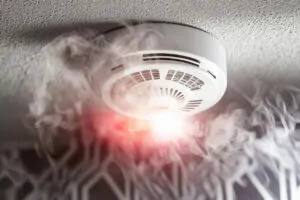
To maximize protection, place photoelectric smoke alarms in:
- Bedrooms
- Hallways outside sleeping areas
- Living rooms and lounges
- Stairways or enclosed hallways
Avoid placing them directly in:
- Kitchens (to prevent cooking-related false alarms)
- Bathrooms (steam can trigger the sensor)
Pro Tip: For complete coverage, use a combination of photoelectric and ionization detectors, or opt for dual-sensor smoke alarms that incorporate both technologies.
Installation and Maintenance Tips
Proper installation and upkeep are essential to ensure your smoke detectors function effectively at all times. Following these guidelines will help maintain performance and extend the life of your device. Here’s how to keep your photoelectric smoke detectors in top condition:
Placement: Ceiling-mounted and at least 10 feet from cooking appliances
Install your smoke detectors on the ceiling, as smoke rises and will reach this area first. They should be placed at least 10 feet away from stoves or ovens to avoid false alarms caused by everyday cooking. Avoid placing them too close to windows, ducts, or fans, where airflow might interfere with smoke detection.
Test monthly: Press the test button to ensure the alarm works
Regular testing helps confirm that the detector is functioning correctly and can still alert you in the event of a fire. Press and hold the test button until the alarm sounds, which confirms it’s working. If it doesn’t respond, replace the battery or the entire unit if necessary.
Replace batteries: Once a year (or as indicated)
Even if your smoke detector hasn’t gone off, the battery still drains slowly over time. Replace the battery at least once a year or sooner if the device chirps to signal a low battery. Some models come with long-life batteries, but even those should be checked periodically.
Clean regularly: Use a vacuum or soft brush to remove dust
Dust, cobwebs, and debris can interfere with the sensors, reducing the detector’s sensitivity.
Gently clean the unit using a vacuum attachment or soft brush every few months. Avoid using harsh chemicals or spraying cleaners directly onto the detector.
Replace the unit: Every 8–10 years as sensors lose sensitivity over time
Smoke detectors have a limited lifespan, and their sensors can degrade even if they appear to be functioning correctly.
Look for a manufacturing or expiration date on the back of the unit to track when it’s time for replacement. Replacing outdated detectors ensures your fire safety system remains reliable and effective.
Why Professional Installation Matters
Installing smoke detectors may seem simple, but ensuring they function correctly and provide comprehensive coverage requires expertise. Professional installation not only guarantees safety but also saves time, reduces risk, and ensures compliance with all local regulations. Here’s why trusting a licensed expert makes all the difference:
Optimal Placement
Professionals know exactly where to install smoke detectors to maximize coverage and minimize false alarms.
They avoid dead zones, place alarms at the right height, and ensure spacing complies with safety codes.
Correct Wiring and Setup
Expert installers ensure detectors are correctly wired or synced with your home’s electrical or intelligent systems.
This reduces the risk of malfunction and ensures the alarm functions when you need it most.
Code Compliance
Licensed technicians follow local fire codes and national standards, like NFPA 72.
This ensures your system is up to code and your property is legally protected.
System Integration
Professionals can integrate smoke detectors with your broader security or smart home system.
This enables features such as mobile alerts, automatic lighting, and emergency services notifications.
Post-Installation Testing & Support
They test the system after installation to confirm everything is working correctly.
You’ll also receive guidance on maintenance, battery replacement, and future upgrades.
Smart Photoelectric Smoke Detectors
Modern technology has elevated fire safety with smart smoke detectors that incorporate photoelectric sensing for improved accuracy and responsiveness. These advanced devices not only detect smoke efficiently but also offer intelligent features for added peace of mind and convenience. Here’s what makes smart photoelectric detectors an excellent investment:
Mobile Alerts
Smart detectors connect to your home Wi-Fi and send real-time alerts directly to your smartphone.
You’ll be notified immediately if smoke is detected, even when you’re away from home. This allows you to take quick action—such as calling emergency services or checking in with loved ones.
Voice Alarms
Instead of a standard beeping sound, many smart detectors feature clear voice alerts. They can tell you the exact location and nature of the threat, such as “Smoke detected in the living room.” This added clarity is invaluable for children, the elderly, and during times of emergency.
Integration with Smart Home Systems
These detectors can seamlessly integrate with systems like Google Home, Amazon Alexa, and Apple HomeKit. This means your lights can flash, security cameras can activate, or HVAC systems can shut down during an alarm. Smart home integration adds another layer of automated safety and control to your household.
Self-Testing and Auto-Updates
Smart smoke detectors routinely test their sensors and battery levels without requiring manual input.
They also receive firmware updates to stay current with the latest safety improvements and features.
This ensures your detector remains functional and up-to-date without added hassle.
Frequently Asked Questions (FAQs)
When it comes to fire safety, having the correct information can make all the difference. Whether you’re installing your first smoke detector or upgrading to an innovative photoelectric model, it’s natural to have questions. This FAQ section answers the most common concerns homeowners have—so you can feel confident, safe, and well-informed about protecting your space.
- Can I use only photoelectric smoke detectors in my home?
Yes, you can, especially if you’re concerned about smoldering fires. However, for complete fire detection, it’s recommended to pair photoelectric detectors with ionization alarms or choose dual-sensor units. This ensures you’re protected from both slow-burning and fast-flaming fires.
- How long do photoelectric smoke detectors last?
Most photoelectric smoke detectors are designed to last 8 to 10 years. Over time, the sensors lose sensitivity, even if the alarm still sounds during tests. Always refer to the manufacturer’s label for the exact replacement timeline.
- Do photoelectric detectors also detect carbon monoxide (CO)?
No, photoelectric smoke detectors do not detect carbon monoxide (CO) unless specifically designed to do so. For protection against carbon monoxide, opt for a combination smoke and CO detector. These dual-function models are available from most major brands.
- How often should I test a photoelectric smoke detector?
It’s essential to test your smoke detector monthly using the built-in test button. This ensures the alarm is still functioning and the battery is charged. If the alarm fails to sound, replace the battery or the entire unit if needed.
- Where should I install photoelectric smoke detectors in my home?
Install them in every bedroom, outside sleeping areas, and on every level of your home.
They are especially effective in living rooms, hallways, and near electronics where smoldering fires can start. Avoid placing them too close to kitchens or bathrooms to reduce false alarms.
- What causes false alarms in photoelectric smoke detectors?
Photoelectric detectors are less prone to false alarms but can still be triggered by dust, insects, or heavy steam. Regular cleaning and proper placement help reduce these issues. Avoid installing them directly in areas with poor ventilation or high humidity.
- Are smart photoelectric smoke detectors worth the cost?
Yes—innovative models offer mobile alerts, voice notifications, automatic self-testing, and smart home integration. They provide added convenience and peace of mind, especially when you’re away from home. While they cost more upfront, they add extra layers of safety and functionality.
Conclusion
Photoelectric smoke detectors are a competent and reliable choice for enhancing fire safety in any home. By understanding how they work, where to place them, and how to maintain them, you can ensure maximum protection for you and your loved ones. Always stay informed, follow safety guidelines, and choose certified detectors to give yourself peace of mind—because when it comes to fire safety, every second counts.
Protect What Matters Most with OneAZ Alarm
Your safety deserves more than just a standard solution—partner with a trusted Arizona-based company that’s been securing homes and businesses for over 30 years. OneAZ Alarm offers expert installation, 24/7 monitoring, and advanced photoelectric smoke detection tailored to your needs. Don’t wait for an emergency to act—contact OneAZ Alarm today and enjoy peace of mind with reliable, professional protection!


