


How to Wire a Fire Alarm System: A Step-by-Step Guide
Fire alarm systems are one of the most important safety features in any building. They give early warnings that protect lives and property during emergencies. Understanding how a fire alarm system works helps homeowners and building managers appreciate its value, while installers must prioritize safety and compliance when they wire a fire alarm system.
Why Fire Alarm Systems Are Essential
Fires spread quickly, making early detection essential. A properly wired alarm system alerts occupants immediately, giving them time to evacuate safely. Homes, offices, and commercial spaces are required to have these systems by code, offering peace of mind.
Safety and Compliance Considerations
Fire alarm wiring involves electricity, adhering to code requirements, and utilizing life-safety equipment. Mistakes can make the system ineffective or unsafe. Check local building codes, follow NFPA (National Fire Protection Association) guidelines, and hire a licensed professional for installation.
Understanding Fire Alarm System Components
Control Panel (the “Brain” of the System)
The control panel monitors all connected devices and triggers alarms when it detects a problem. In commercial setups, it also notifies emergency services. Wiring must be precise to ensure correct signals and responses.
Smoke and Heat Detectors
Detectors are strategically placed throughout the building to sense smoke or heat. These devices send signals back to the control panel when triggered. Proper placement and wiring ensure they activate promptly during a fire.
Manual Pull Stations and Alarm Bells
Pull stations enable occupants to trigger an alarm during a fire manually. Alarm bells or sirens deliver loud alerts so everyone hears the warning. Both connect to the system for complete protection.
Step-by-Step Guide to Wire a Fire Alarm System
Planning the Layout and Zones
Start by mapping your home or building and dividing it into zones. Place detectors, pull stations, and alarms strategically in each zone. Clear planning ensures full coverage and simplifies troubleshooting in the future.
Running the Wiring Safely
Run fire-rated cables through walls and ceilings, avoiding sharp bends or damage. Secure wires with clips and keep them clear of electrical interference. Turn off the power before handling any connections.
Connecting Detectors, Pull Stations, and Alarms
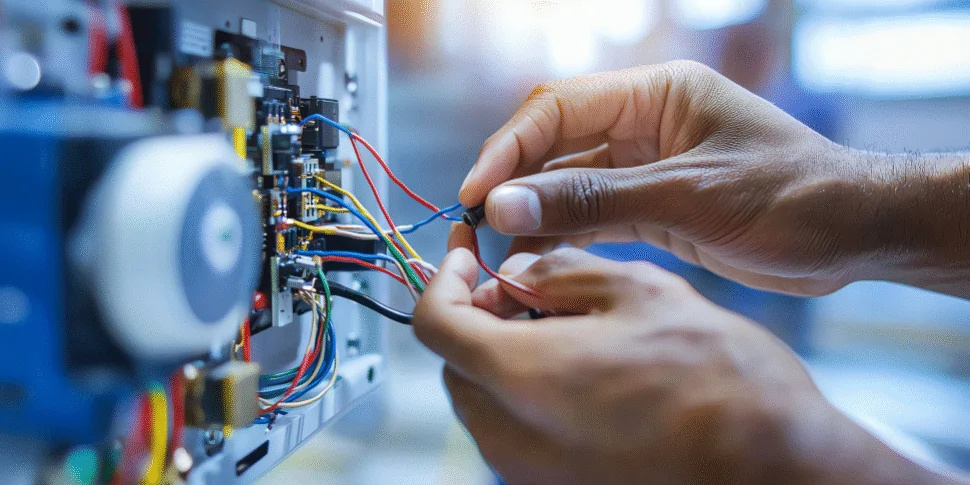
Wire each device to the control panel following the manufacturer’s instructions. Devices usually connect in series to form a circuit that the panel can monitor. Make sure all connections are secure and properly insulated.
Wiring the Control Panel
The control panel has labeled terminals for detectors, pull stations, alarms, and the power supply. Check each connection against the wiring diagram. After wiring, connect the system to a dedicated power source and backup battery.
Testing and Troubleshooting the System
Powering Up and Initial Checks
After wiring, power up the system and confirm the control panel initializes correctly. Verify the panel detects all devices. Indicators will indicate which zones are active and whether any wiring problems exist.
Testing Each Zone for Proper Function
First, activate each smoke detector and pull station to confirm alarms sound correctly. Then walk through the building to check that bells or sirens are loud and clear. Testing verifies the wiring is correct and the devices work properly.
Compliance and Professional Support
Following NFPA and Local Code Requirements
The NFPA sets national standards, but cities such as Phoenix, Los Angeles, or New York may add local requirements. The following codes keep your system legal, reliable, and insurable. Ignoring rules can lead to fines or denied insurance claims.
When to Hire a Licensed Electrician
If you are unsure about wiring or handling a commercial system, hire a professional. Licensed electricians and fire safety contractors ensure installations are correct and tested. Their expertise lowers risk and ensures compliance.
Importance of Regular Maintenance and Inspections
Even correctly wired systems need regular inspections. Therefore, check batteries, detectors, and wiring connections at least once a year. Professional inspections keep your system reliable when it matters most.
Conclusion
A properly wired fire alarm system gives early detection, protects property, and saves lives. You can understand the basics, but installation must prioritize safety, accuracy, and code compliance. Whether you plan a DIY project or hire a professional, the goal remains the same: keeping your home or business safe.
Thinking about installing or upgrading a fire alarm system?
Don’t leave safety to chance—reach out to OneAZ Alarm professionals who can design, wire, and maintain your system to the highest standards. Protect your property and loved ones today with expert fire alarm installation.


