


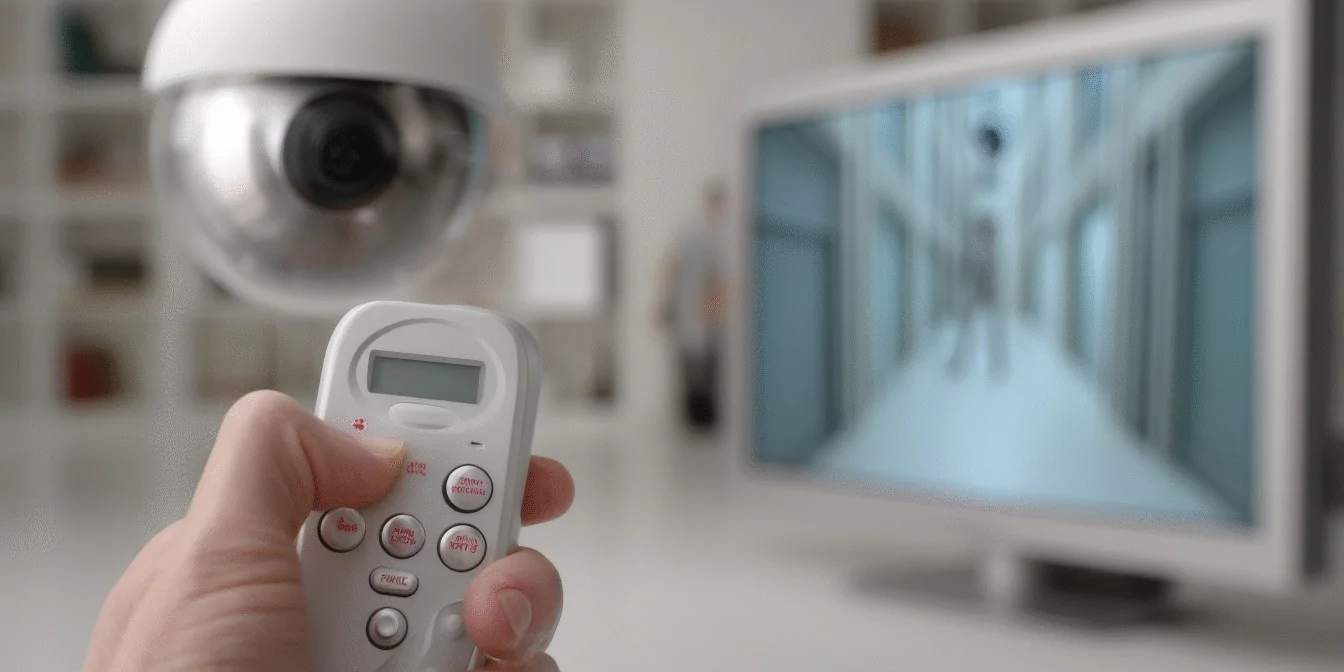
Remote Monitoring Systems Explained: How to Stay Connected to Your Property 24/7
In an era where technology shapes nearly every aspect of daily life, remote monitoring has emerged as a vital tool for property owners, managers, and homeowners seeking to maintain the safety and efficiency of their properties. Whether it’s safeguarding a commercial building, monitoring a residential property, or overseeing industrial operations, remote monitoring systems provide real-time insight and control from virtually anywhere. In this article, we’ll break down what remote monitoring is, how it works, its benefits, applications, and tips for selecting the right system to stay connected to your property connected 24/7.
What is Remote Monitoring?
Remote monitoring is the use of technology to observe, track, and manage systems, equipment, or spaces remotely. Unlike conventional methods that demand physical presence, these methods use sensors, cameras, software, and internet connectivity to deliver real-time data and alerts, allowing you to stay connected to your property and respond quickly, address potential problems before they worsen, and maintain both security and efficiency without being on-site.
Key Components of Remote Monitoring Systems
A typical remote monitoring systems includes several key components:
- Sensors and Detectors: These devices gather targeted data such as motion, temperature, humidity, water leaks, and smoke. For example, a temperature sensor in a warehouse can detect overheating equipment, and a water leak sensor can send alerts about potential flooding.
- Cameras: Security cameras provide live video streams and recorded footage, enabling property owners to monitor activities in real time or review past events. Moreover, advanced models include features such as motion detection, night vision, and facial recognition.
- Connectivity Devices: These components ensure that data from sensors and cameras reaches a central system or is stored in the cloud. Furthermore, devices typically connect through Wi-Fi, cellular networks, Ethernet, or dedicated Internet of Things networks, providing reliable communication.
- Monitoring Software: Software platforms collect data from various devices and present it through a user-friendly interface. In addition, many platforms provide dashboards, analytics, and reporting tools that help users make informed decisions.
- Alerts and Notifications: When the system detects unusual activity or a failure, remote monitoring sends alerts via email, text messages, or push notifications, enabling users to take immediate action.
How Remote Monitoring Works
The process of remote monitoring is both simple and sophisticated. Here’s a step-by-step breakdown:
- Data Collection: Sensors and cameras continuously collect information about the property or equipment, capturing details such as environmental conditions, security footage, and machinery performance metrics.
- Data Transmission: The system transmits the collected data securely through networks to a central server or cloud platform. Moreover, real-time streaming allows users to access live information, and they can retrieve stored data later for analysis.
- Data Analysis: Modern monitoring systems often incorporate AI or machine learning algorithms to analyze collected data. As a result, they can recognize patterns, detect irregularities, and even anticipate potential problems before they occur.
- Alert Generation: If the system detects an irregularity such as unauthorized entry, a fire hazard, or equipment malfunction, it generates an alert. Then, the system immediately sends the alert to the property owner, manager, or security monitoring team.
- Remote Action: Some systems allow users to take immediate action remotely. For example, they can lock doors, adjust thermostats, shut down machinery, or contact emergency services, all from a smartphone or computer.
Benefits of Remote Monitoring
Investing in a remote monitoring systems offers numerous advantages that go beyond simple surveillance.
1. 24/7 Property Protection
One of the most significant benefits is around-the-clock monitoring. Remote systems operate around the clock, delivering continuous oversight that keeps you stay connected to your property and protected even when you are not present. Whether it is a home, office, warehouse, or industrial site, constant monitoring helps deter theft, prevent vandalism, and reduce the risk of damage.
2. Immediate Alerts and Response
With immediate notifications, property owners can react to emergencies more quickly than with traditional monitoring. For example, a water leak in the basement can be managed before it leads to serious structural damage, and suspicious activity on the property can be reported without delay.
3. Cost Savings
Remote monitoring helps reduce expenses associated with security staff, emergency repairs, and property damage. It also minimizes business downtime by detecting equipment problems early, before they turn into major issues.
4. Data-Driven Decisions
Data gathered from remote monitoring systems offers meaningful insights into property usage, maintenance requirements, and security patterns. In commercial settings, this information can guide operational decisions and enhance overall efficiency.
5. Peace of Mind
Having experts monitor your property around the clock brings peace of mind. Homeowners can travel with confidence, while business owners are free to focus on growth without constant concern over operational disruptions or security threats.
Applications of Remote Monitoring
Organizations utilize remote monitoring in various contexts, and it proves to be highly versatile.
Residential Properties
Homeowners use remote monitoring systems to protect their homes. Moreover, smart cameras, motion sensors, and connected alarms let residents monitor entrances, driveways, and living spaces. In addition, integration with smart home systems allows remote control of lighting, locks, and thermostats, enhancing both security and convenience.
Commercial Buildings
For businesses, remote monitoring plays a vital role in protecting assets, employees, and sensitive data. In addition, tools such as surveillance cameras, access control systems, and environmental sensors help managers maintain a safe, secure, and efficient workplace. At the same time, monitoring energy usage and HVAC systems enables businesses to reduce operational expenses.
Industrial Facilities
In manufacturing plants, warehouses, and data centers, remote monitoring helps keep machinery running efficiently, reduces the likelihood of accidents, and minimizes downtime. Furthermore, sensors detect mechanical problems, temperature fluctuations, and other issues that could disrupt production.
Healthcare Facilities
Hospitals and care centers use remote monitoring to ensure patient safety and oversee equipment. Additionally, systems track medical devices, environmental conditions, and security to maintain a safe and compliant environment.
Real Estate and Property Management
Property managers can monitor multiple units or buildings simultaneously through remote systems. With the support of cameras, motion detectors, and access logs, they gain a clear overview of property activity, allowing them to resolve maintenance needs and security concerns before they escalate.
Features to Look for in a Remote Monitoring Systems
When selecting a remote monitoring solution, it’s essential to choose a system that meets your specific needs to stay connected to your property. Here are key features to consider:
1. Real-Time Alerts
Remote monitoring systems should provide instant notifications whenever unusual activity occurs, ensuring you can respond immediately to potential threats, system malfunctions, or emergencies. Quick alerts help prevent damage, loss, or downtime by enabling timely intervention.
2. Scalability
It’s essential to choose a system that can grow alongside your property or business needs. Whether you begin with a single building or multiple locations, a scalable solution ensures continued effectiveness. Scalability also allows you to add devices, users, or features without needing a complete system overhaul.
3. User-Friendly Interface
A simple and intuitive interface makes managing your monitoring system easy and efficient. You can quickly access live feeds, review historical data, and remotely control devices. Mobile apps further enhance convenience by allowing on-the-go monitoring from anywhere.
4. Integration with Other Systems
Modern remote monitoring solutions often integrate seamlessly with other smart systems and devices, including fire alarms, access controls, energy management tools, and smart home technology. By consolidating everything into a unified platform, management becomes more streamlined and provides a comprehensive view of the property.
5. Secure Data Storage
Protecting your data should be a top priority when choosing a monitoring system. Look for solutions that use encryption and offer secure cloud storage or reliable local backups. Secure storage ensures your property’s information remains safe from unauthorized access or cyber threats.
6. Advanced Analytics
AI-powered analytics enhance remote monitoring system by identifying patterns and anomalies in real time. Consequently, these insights help predict maintenance needs, detect potential issues, and suggest proactive solutions. Furthermore, advanced analytics transform your system from reactive to strategically proactive, boosting both efficiency and safety.
Remote Monitoring Technologies
Remote monitoring relies on a variety of technologies, each offering unique advantages:
IoT (Internet of Things) Sensors
IoT devices connect everyday objects to the internet, enabling real-time monitoring and control. They can detect temperature changes, motion, water leaks, smoke, and other conditions. Moreover, connectivity allows for faster responses to potential problems and more efficient system management.
Cloud-Based Monitoring
Cloud platforms store data securely online, allowing users to access it from anywhere at any time, eliminating the need for costly on-site servers and simplifying maintenance. Cloud monitoring also ensures seamless scalability as your system grows.
Mobile and Web Apps
Mobile and web applications give users easy access to live feeds, alerts, and system controls, allowing remote management of devices from smartphones, tablets, or computers. In turn, this convenience enhances user experience and ensures quick responses to any alerts.
Tips for Effective Remote Monitoring
To maximize the benefits of remote monitoring system, consider these practical tips:
- Conduct a Property Assessment: Identify the areas or systems that require monitoring. High-risk zones, such as entrances, basements, or critical equipment areas, should be prioritized.
- Select the Right Devices: Choose sensors and cameras that suit your property type and monitoring goals. Consider resolution, connectivity options, and environmental durability.
- Ensure Strong Connectivity: Reliable internet or cellular connections are essential for real-time monitoring. Backup connections can prevent data loss during outages.
- Regularly Update Software and Devices: Keep your system’s software and firmware updated to ensure security and functionality.
- Implement Security Measures: Protect your monitoring system with strong passwords, encryption, and user access controls to prevent unauthorized access.
- Set Clear Alerts: Configure notifications to trigger only for relevant events, avoiding alert fatigue and ensuring timely responses.
- Review Data Regularly: Analyze the collected data to identify trends, optimize operations, and improve property management strategies.
The Future of Remote Monitoring
Remote monitoring is evolving rapidly with advances in technology. Key trends shaping the future include:
- Artificial Intelligence and Predictive Analytics: Systems will increasingly predict problems before they occur, reducing downtime and maintenance costs.
- Enhanced Mobile Capabilities: Mobile apps will become more sophisticated, offering augmented reality (AR) interfaces and voice control.
- Sustainability Monitoring: Remote systems will track environmental impact, energy efficiency, and resource consumption, supporting green building initiatives.
Conclusion
Remote monitoring is no longer a luxury—it is a necessity for anyone seeking to protect, manage, and optimize their property. From homes to industrial facilities, these systems provide unparalleled access, control, and peace of mind. By leveraging sensors, cameras, connectivity, and intelligent software, property owners can stay connected to your property 24/7, respond to emergencies promptly, and make data-driven decisions that save time, money, and resources.
Investing in a dependable remote monitoring systems protects your property while giving you the ability to take proactive control of your environment. Whether you are a homeowner, a business owner, or a property manager, having to stay connected to your property has never been more convenient or more important.
Protect What Matters Most with OneAZ Alarm
With over 40 years of trusted service in Phoenix, OneAZ Alarm offers comprehensive security solutions for both homes and businesses. From 24/7 monitoring and fire safety systems to video surveillance and smart home automation, we provide peace of mind with every installation. Contact us today at (623) 780-5755 or visit oneazalarm.com to schedule your free site survey and experience the difference of an A+ rated security provider!


