


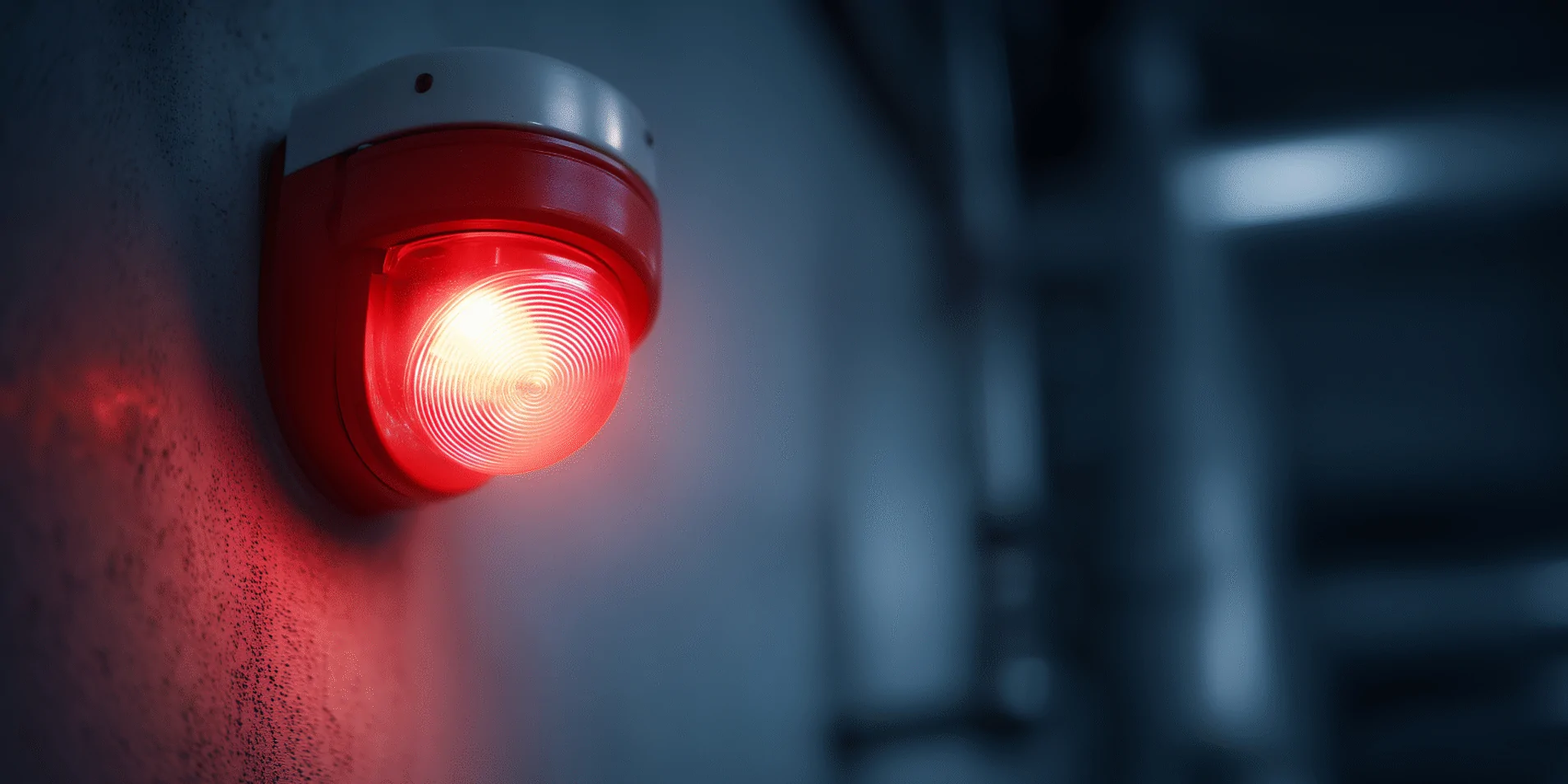
False Alarms: What Causes Them & How to Reduce Them
When a piercing alarm goes off unexpectedly and you start to wonder about false alarm causes – like cooking smoke, steam, low batteries, or dust—it’s more than just an annoyance. It’s a disruption, a source of anxiety, and a potential drain on resources. Whether you’re protecting your home, your business, or a large facility, false alarms can erode trust in your security system and cost time, money, and peace of mind.
In this article, we’ll break down what triggers false alarms, explore their real-world consequences, and share practical strategies to reduce them, so your alarm system works exactly as it should—alerting you only when it truly matters.
What Is a False Alarm?
A false alarm happens when a security or safety system activates unintentionally—without an actual emergency. It could mean a burglar alarm triggered by a wandering pet, a fire alarm set off by burnt toast, or a motion sensor detecting the movement of a curtain in the breeze.
While occasional false alarms are almost inevitable, frequent occurrences can indicate issues that need attention—whether in system setup, user habits, or environmental conditions.
The Hidden Cost of False Alarms
It’s easy to think of false alarms as a minor inconvenience, but the reality is much broader. They affect homeowners, businesses, emergency services, and even communities.
1. Wasted Emergency Resources
When police, firefighters, or paramedics respond to false alarms, they divert critical time and resources away from real emergencies. This unnecessary strain can delay help for people who genuinely need it. To discourage repeat offenders, many cities have started enforcing fines or penalties—especially for commercial or public properties.
2. Reduced System Credibility
Frequent false alarms can make you or your employees start to tune them out, assuming each alert is “just another glitch.” Over time, this complacency reduces your confidence in the system’s reliability. When a real emergency occurs, that hesitation can cost precious minutes.
3. Financial and Operational Disruptions
For businesses, false alarms can interrupt daily operations, halt productivity, and even force unwanted evacuations. These disruptions often lead to lost revenue and frustrated staff or customers. In residential settings, they can also disturb rest, stress family members, and strain relationships with neighbors.
4. Emotional Stress
Each unexpected alarm sound triggers an instinctive fight-or-flight response, causing immediate stress. When false alarms become frequent, that constant tension can lead to anxiety or fatigue. Eventually, people may stop reacting altogether—a dangerous outcome known as “alarm fatigue.”
Common False Alarm Causes
Understanding false alarm causes and triggers is the first step toward preventing them. Each security system is unique. Group the most common false alarm causes into three main categories: human error, equipment issues, and environmental factors.
1. Human Error
The leading cause of false alarms is simple: user mistakes. Even the best system can’t compensate for improper use or forgetfulness.
Incorrect Arming or Disarming
Entering the wrong security code or failing to disarm the system triggers false alarms. Small oversights like these rank among the top causes of unnecessary alerts. Double-check your code or routine to prevent disruptions.
Authorized Users Not Trained
When employees, cleaners, or family members lack familiarity with the system, accidental triggers happen—confusion during arming or disarming often results from missing training. Provide clear instructions and regular refreshers to ensure everyone uses the system confidently and correctly.
Failure to Secure Entry Points
Doors or windows that aren’t fully closed can shift slightly and activate the alarm system. Even a small gap from wind pressure or vibration might be enough to cause a false trigger. Make a quick round to check all entry points and fasten them securely before arming the system.
Pets and Children
Pets and young children can unintentionally set off motion detectors by moving through secured zones. Their playful or unpredictable movements often mimic unauthorized activity. Adjusting sensor sensitivity or using pet-friendly detection settings can greatly reduce these unnecessary activations.
Tip: Proper training and easy-to-follow procedures can prevent most human-triggered alarms.
2. Faulty or Poorly Maintained Equipment
Even reliable systems need occasional attention. A false alarm may be the first sign that something isn’t working as it should.
Aging Sensors
Over time, sensors lose precision or become overly sensitive, causing inaccurate readings. Older components may fail to detect changes, triggering unnecessary activations. Upgrade or replace aging sensors regularly to maintain system performance.
Low or Dead Batteries
When batteries start to lose power, devices may send inconsistent or false signals to the control panel. It can result in unexpected alarms or loss of connection with key sensors. Replacing batteries on a set schedule prevents these interruptions and ensures continuous protection.
Loose Wiring or Poor Installation
Improperly connected wires or rushed installations can create unstable signals that mimic alarm alarms triggers. Even a small wiring issue can cause the system to misread activity or fail to communicate properly. Having your system professionally installed and periodically inspected helps avoid these issues.
Software Glitches
Alarm systems rely on software that occasionally develops bugs or miscommunications. These issues trigger false alarms, delay responses, or disrupt connectivity. Keep firmware updated and work with a trusted service provider to reduce these risks.
Tip: Regular inspections and maintenance checks go a long way in keeping your alarm system dependable.
3. Environmental and External Factors
Sometimes, the problem isn’t with you or your system—it’s the environment.
Weather Conditions
Extreme weather, such as strong winds, heavy rain, or sudden temperature changes, can affect motion and door sensors. Vibrations or signal distortions from these conditions explain what trigger false alarms. Install weather-resistant sensors and proper shielding to reduce environmental triggers.
Insects or Rodents
Small pests crawling across or nesting near motion detectors can easily set off alarms. Even tiny movements close to a sensor’s surface can mimic human activity. Regular pest control and sensor cleaning are simple ways to prevent these unwelcome disruptions.
Curtains or Plants
Moving curtains, hanging decorations, or swaying indoor plants can fool motion detectors into thinking there’s movement in the room. HVAC systems or open windows often make these objects shift unpredictably. Positioning sensors away from moving items or securing décor reduces false activations.
Steam, Dust, or Smoke
Everyday activities such as cooking, cleaning, or construction release steam, dust, or light smoke, which can confuse heat and smoke detectors. These particles mimic fire or heat signatures. Maintain good ventilation and keep detectors clean to prevent false fire alarms.
Tip: Understanding your surroundings—and choosing the right type of sensors for each area—helps avoid environmental triggers.
How to Prevent False Alarms
Most false alarms are preventable. Proper setup, regular maintenance, and smart usage habits significantly reduce their occurrence.
1. Choose the Right System for Your Space
Not all alarm systems are created equal. The best system for a small home might not suit a large office or warehouse.
When choosing a system, consider:
- Size and layout of your property.
- Presence of pets or children.
- Environmental conditions (humidity, airflow, temperature).
- Level of monitoring—self-monitored vs. professionally monitored.
Pro tip: Look for alarm systems that include false alarm prevention features, such as pet-immune sensors, adaptive sensitivity, or dual verification (requiring two triggers before activation).
2. Work with Professional Installers
DIY systems are convenient, but improper installation is one of the top reasons for repeated false alarms.
A professional security provider positions sensors correctly, calibrates zones, and integrates the system smoothly with your environment.
Plus, certified installers often provide training and ongoing support, so everyone knows how to use the system effectively.
3. Maintain and Test Regularly
Just like any piece of technology, alarm systems perform best when maintained.
Create a simple maintenance checklist:
- Replace batteries on schedule.
- Clean sensors and cameras periodically.
- Check that all doors and windows close securely.
- Test the alarm monthly to ensure it responds correctly.
If a professional provider monitors your system, they can often detect early signs of malfunction remotely.
4. Educate Every User
The best system is only as reliable as the people using it.
Take time to train employees, family members, or authorized users on:
- How to arm and disarm correctly.
- What to do when the alarm goes off.
- How to contact your monitoring center.
- When and how to cancel a false alarm.
Many false alarms happen when someone forgets the procedure or rushes through the process.
5. Upgrade Outdated Equipment
If your system is more than 10 years old, it may lack modern safeguards that help prevent false alarms triggers.
Today’s smart alarms use AI-based motion detection, dual verification sensors, and mobile alerts to validate threats before sounding an alarm.
Modern systems can also integrate with cameras or door sensors to confirm whether a real intrusion is taking place—dramatically reducing false activations.
6. Adjust Sensor Settings
Sensitivity settings are your friend. If your motion detectors trigger too easily, a small adjustment might solve the issue.
- Lower motion sensitivity in high-traffic areas.
- Set “pet-friendly” modes for homes with animals.
- Disable sensors temporarily during construction or renovations.
Consult your provider before making major adjustments—they can fine-tune settings for maximum accuracy.
7. Respond Quickly and Calmly
When an alarm does go off, how you respond matters.
If you confirm that it’s a false alarm:
- Disarm the system immediately.
- Notify your monitoring center (if applicable).
- Record what happened—this helps identify patterns.
A proactive approach helps prevent the same situation from repeating.
The Role of Modern Technology in Reducing False Alarms
The latest generation of alarm systems is smarter than ever. By combining AI, machine learning, and smart home integration, these systems are better at distinguishing between real threats and harmless activity.
Here are a few innovations helping reduce false alarms:
- Video verification: The system checks visual footage before alerting authorities.
- Smart sensors: Adaptive sensors learn normal activity patterns (like pets or HVAC movement) and filter them out.
- Remote control via apps: Users can verify alerts instantly and cancel false ones in seconds.
- Integration with smart devices: Systems that sync with cameras, locks, and lights provide a clearer picture before triggering alerts.
Result: Fewer false alarms, faster verification, and more reliable security overall.
False Alarm Causes in Commercial Settings
For businesses, false alarms can have even greater implications. They can disrupt workflow, delay deliveries, or damage customer confidence—especially in retail or hospitality settings.
Common Business Triggers:
- Staff entering without disarming the system.
- Cleaning crews are working after hours.
- Equipment vibrations or machinery triggering sensors.
- HVAC systems affect motion detectors.
Prevention Strategies:
- Set up user access codes for each employee.
- Use scheduled arming/disarming based on business hours.
- Invest in professional monitoring that filters false alerts before dispatching authorities.
A well-designed business security system balances protection with convenience. It detects genuine threats without causing constant false alerts.
When to Call for Professional Help
If you’re dealing with frequent false alarms—say, more than two per month—it’s time to consult a professional. Persistent issues may indicate:
- Incorrect sensor placement.
- Outdated hardware.
- Interference from nearby electronics.
- Poor system configuration.
A professional technician can run diagnostics, recalibrate sensors, and recommend upgrades to restore accuracy and peace of mind.
Conclusion
False alarm causes might seem like a minor nuisance, but they can undermine your confidence in your entire security system. The good news? With the right mix of education, maintenance, and modern technology, you can minimize false alarms while maximizing protection.
Security should feel seamless—not stressful. When your system only sounds the alarm for real threats, you can focus on what truly matters: protecting your people, property, and peace of mind.
If you’re ready to tackle false alarm causes and upgrade to a smarter, more reliable security solution, consider partnering with OneAZ Alarm, which understands your unique needs. Together, you can ensure that every alert counts—because in security, accuracy is everything!
Contact us:
 Call/Text: (623) 780-5755
 Email: [email protected]


